Port of Oakland Berths 57-59 Wharf Design

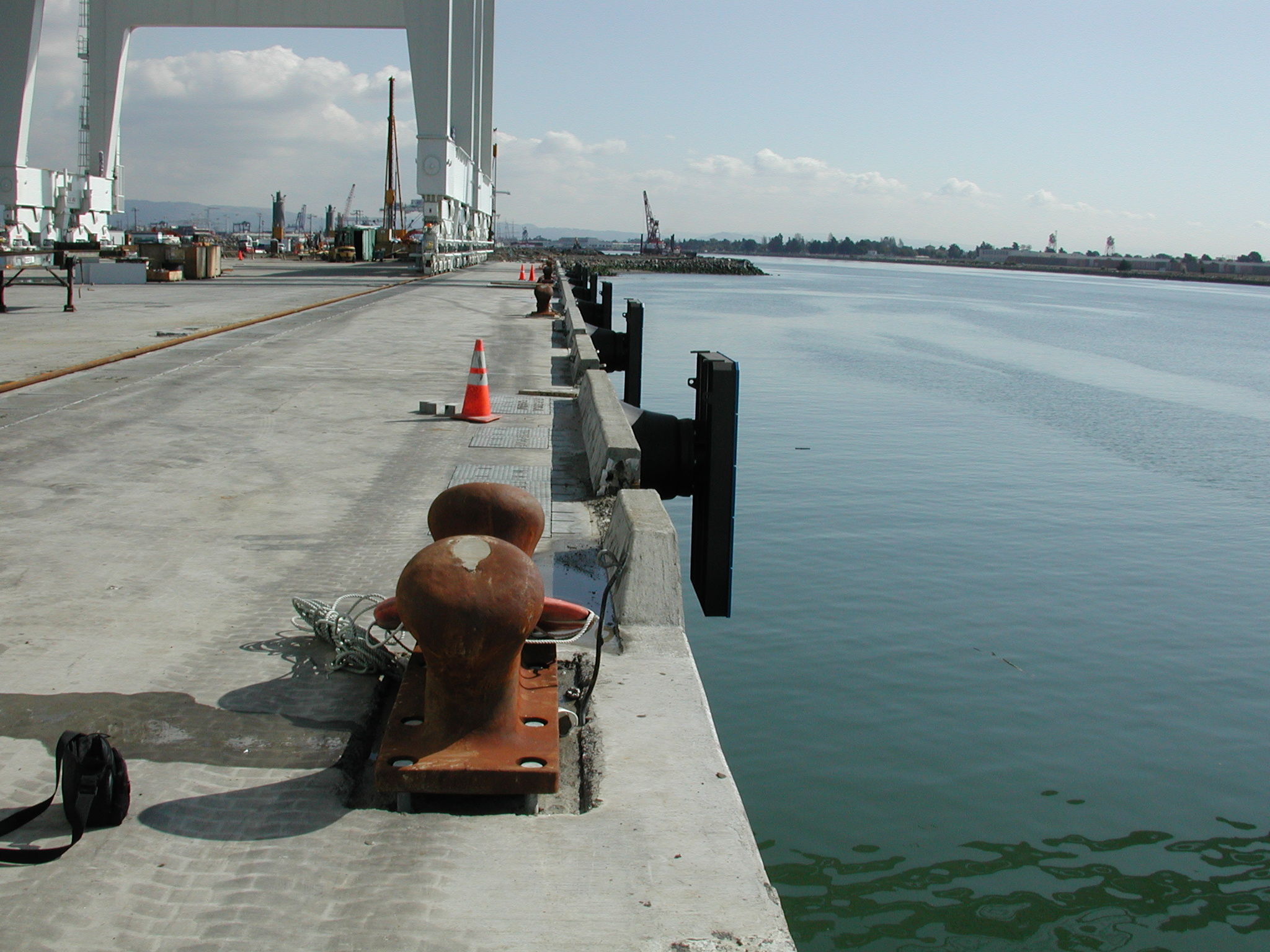
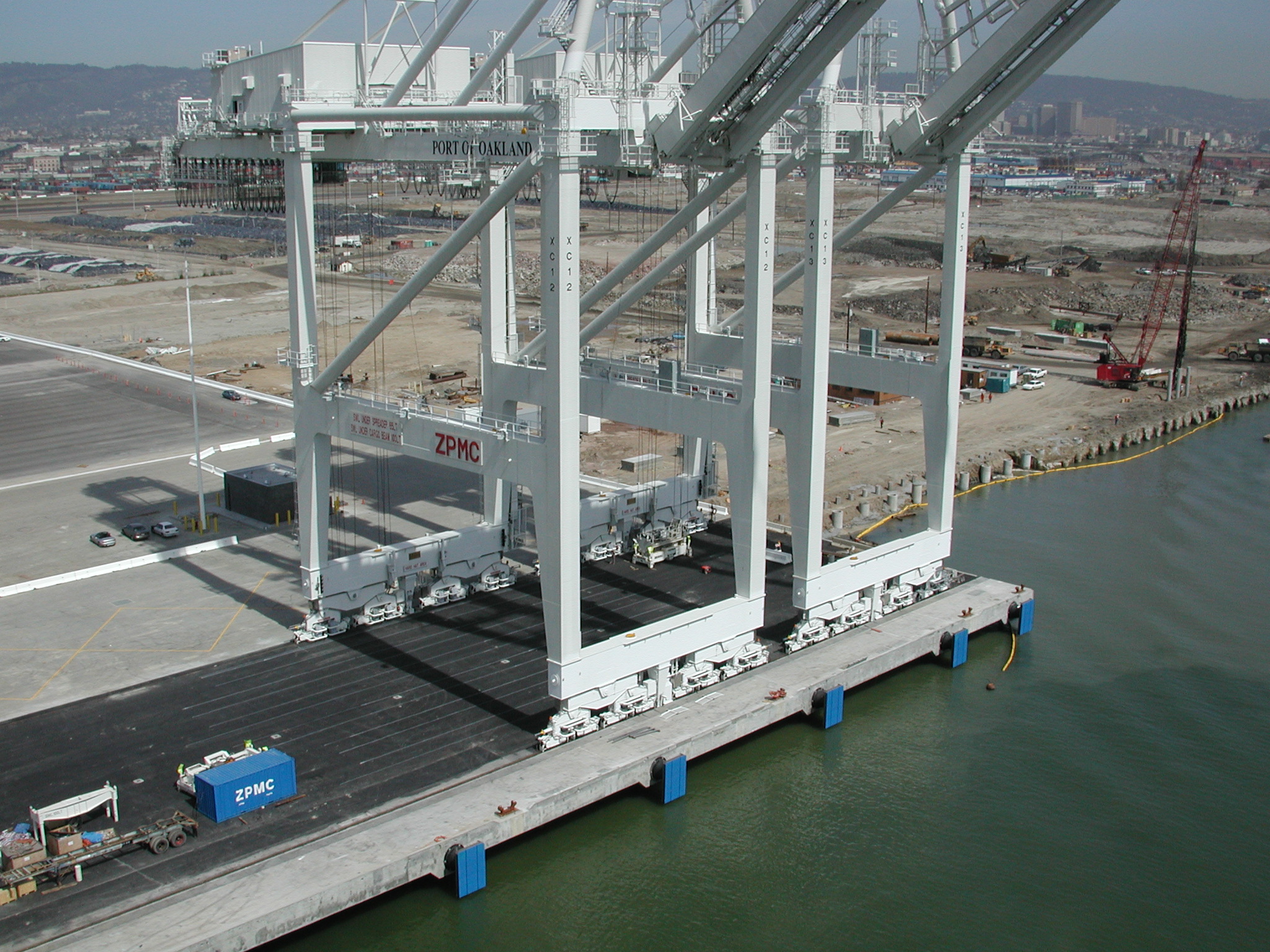
The Port of Oakland is Northern California's primary gateway for international containerized cargo. As part of its Vision 2000 expansion program, the Port needed a new 3,600-foot container wharf to grow capacity by 25% and bring six new cranes online. Furthermore, the wharf needed to be engineered to perform in one of the country's most seismically active regions. Liftech served as lead designer, delivering an innovative and cost-effective wharf solution that met the Port's operational ambitions without compromising on seismic resilience.
The Challenge
The wharf had to support a new generation of container cranes while meeting demanding seismic performance requirements. The soil conditions within the embankment presented an additional hurdle, requiring an innovative stabilization solution to ensure stability under seismic loads — all while keeping the design cost-effective.
Our Approach
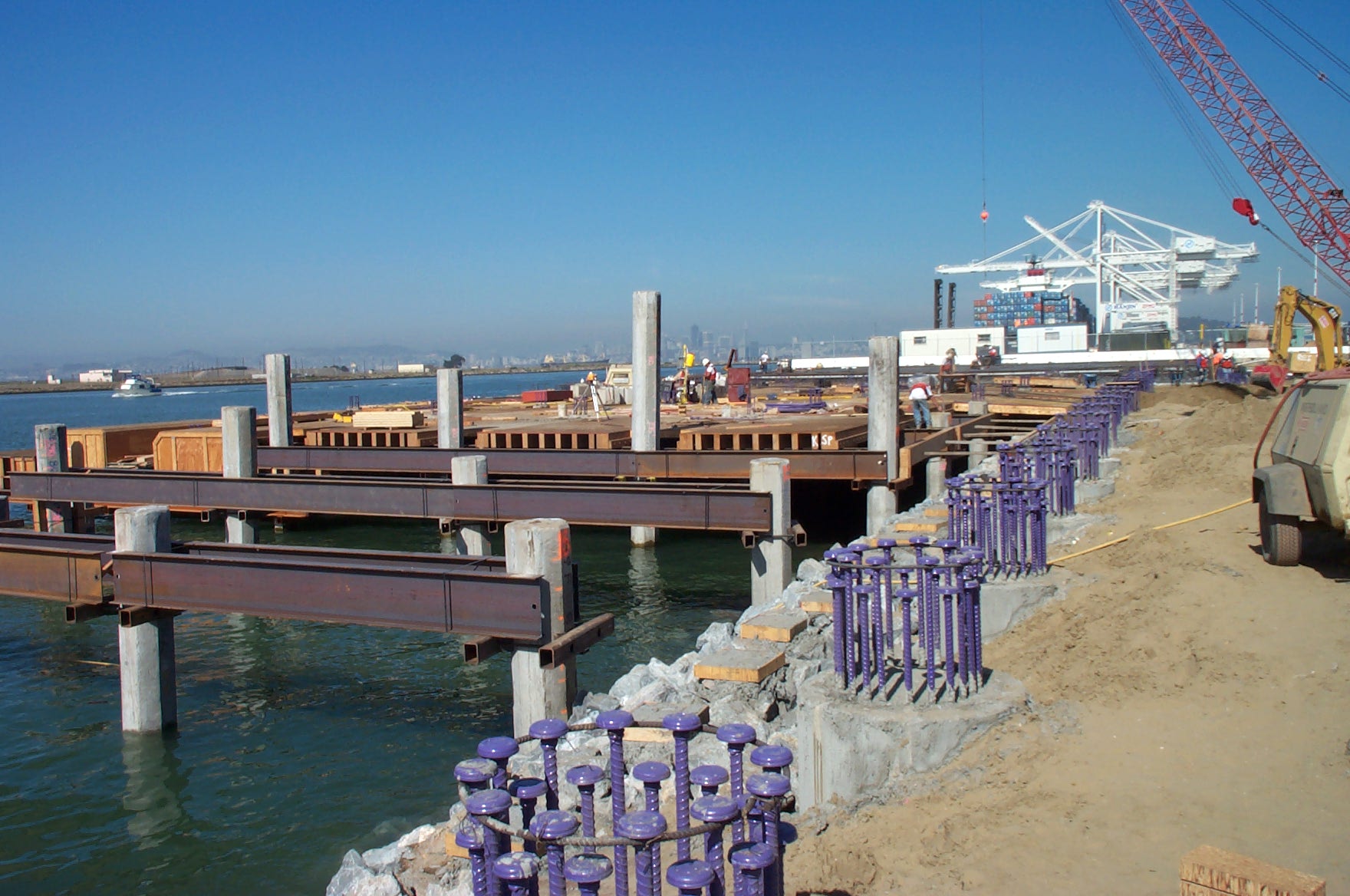
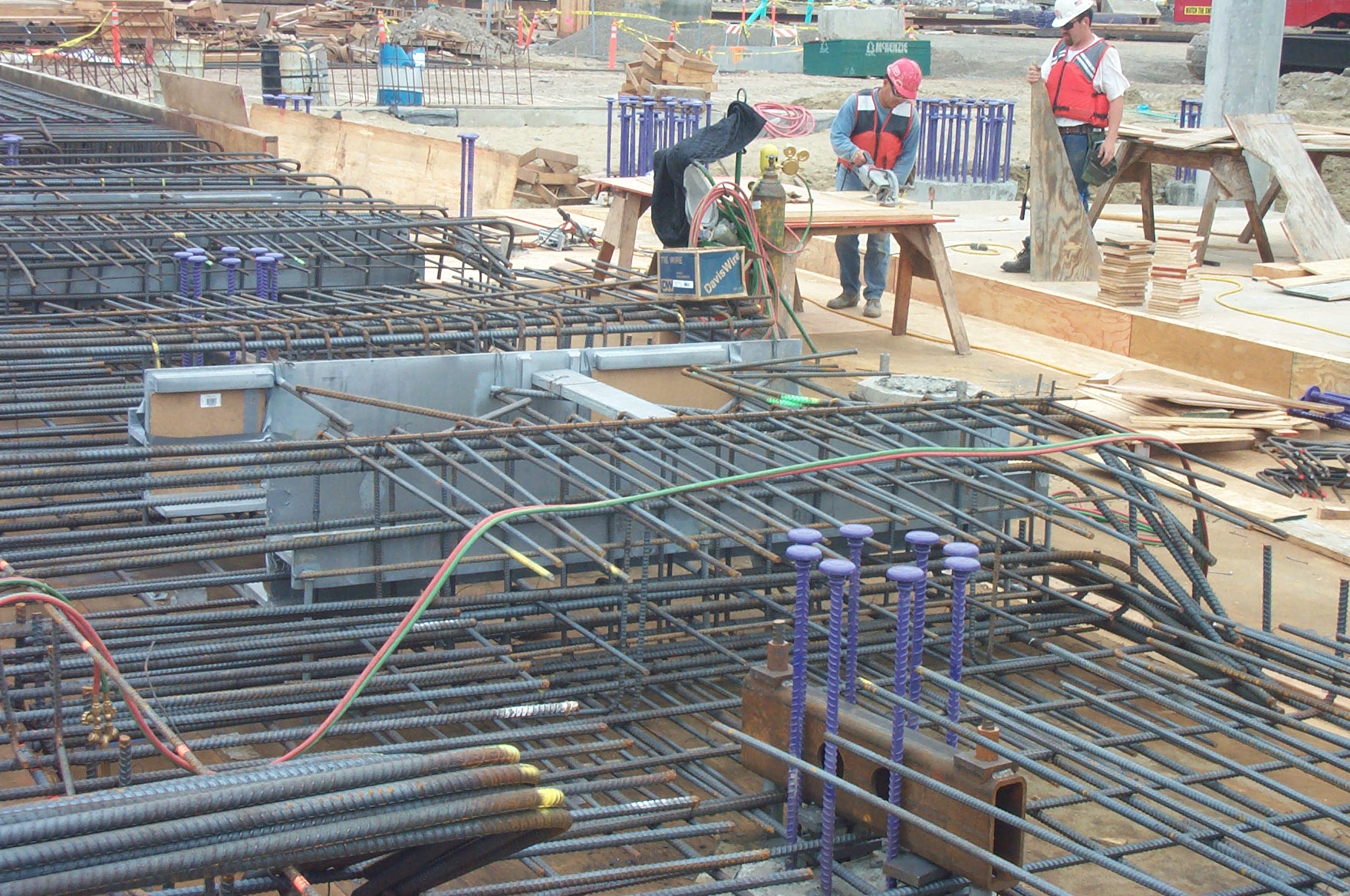
Liftech began with a thorough concept study, evaluating ten design alternatives across the two extreme site conditions: the shallow and the deep mud (an ancient riverbed) sections of the embankment. For stabilization, Liftech developed a cost-effective solution combining Cement Deep Soil Mixing and a rock dike. Liftech also developed a new ductile shear key connection between wharf deck sections, designed to absorb seismic energy economically and, if needed, to be repaired after a major earthquake as well as a novel landside seawall made from precast wall segments that are easily removable for under deck post-earthquake repairs. Liftech served as lead designer on a multi-consultant team that included Ben C. Gerwick and Geomatrix among others. Construction costs were less than expected allowing the Port to construct an extra 600 ft of wharf instead of the originally planned 3,000 ft.
Project Images

Related Publications
Related Projects
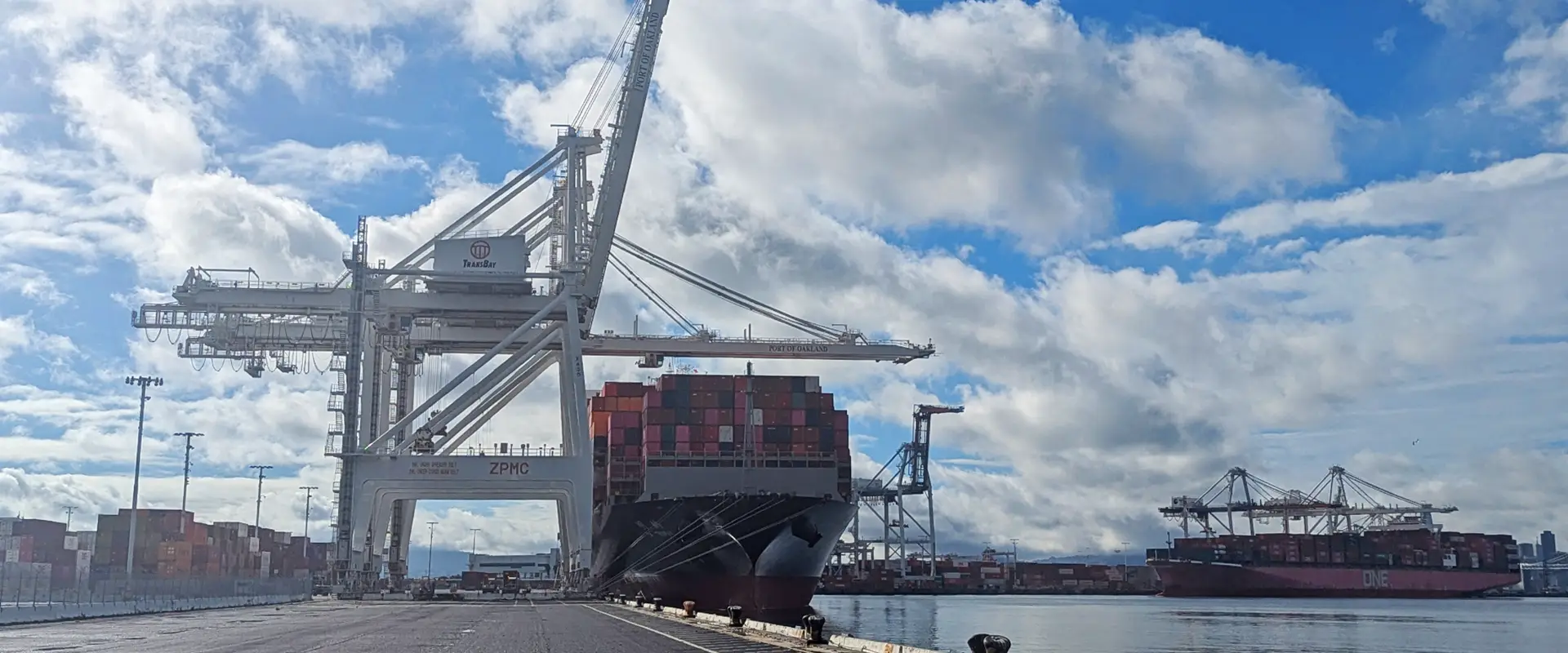
Port of Oakland Outer Harbor Wharf Modernization

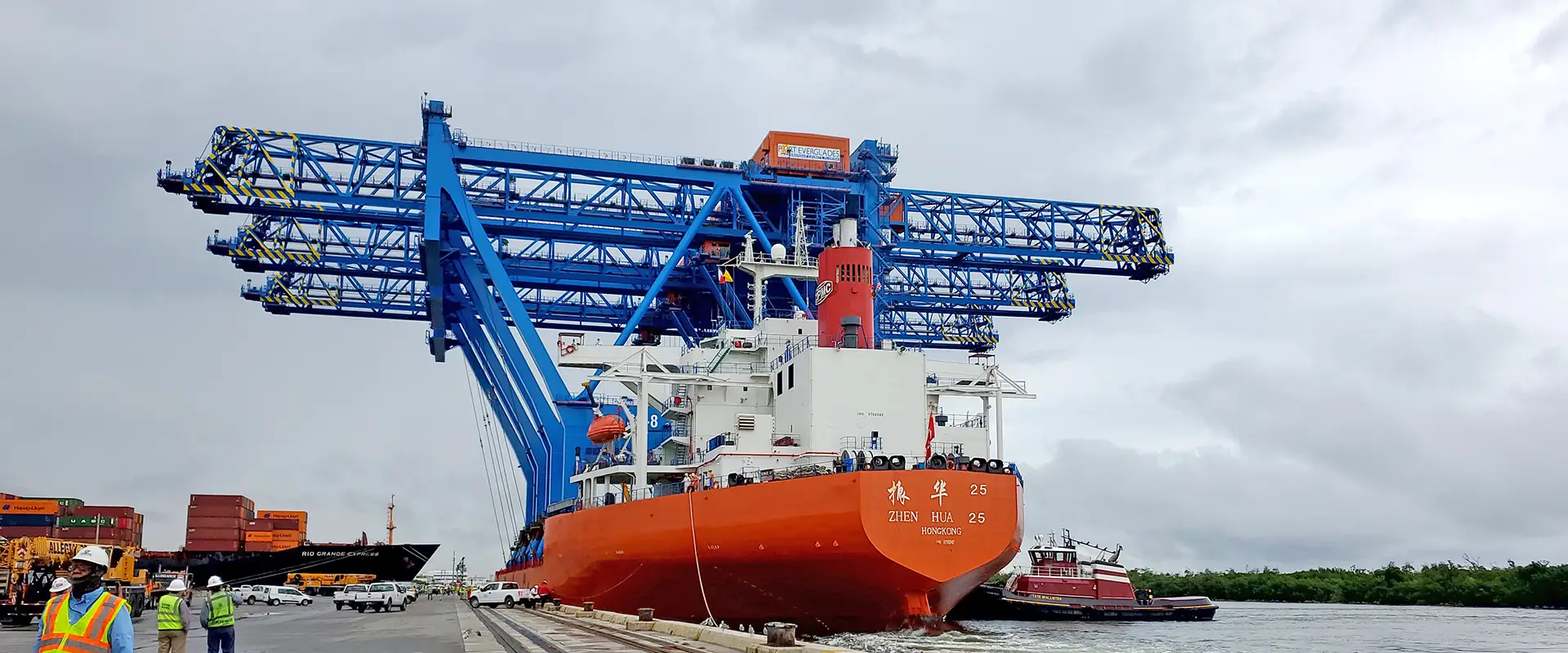
Port Everglades Wharf Expansion, Crane Procurement, and Crane Modernization
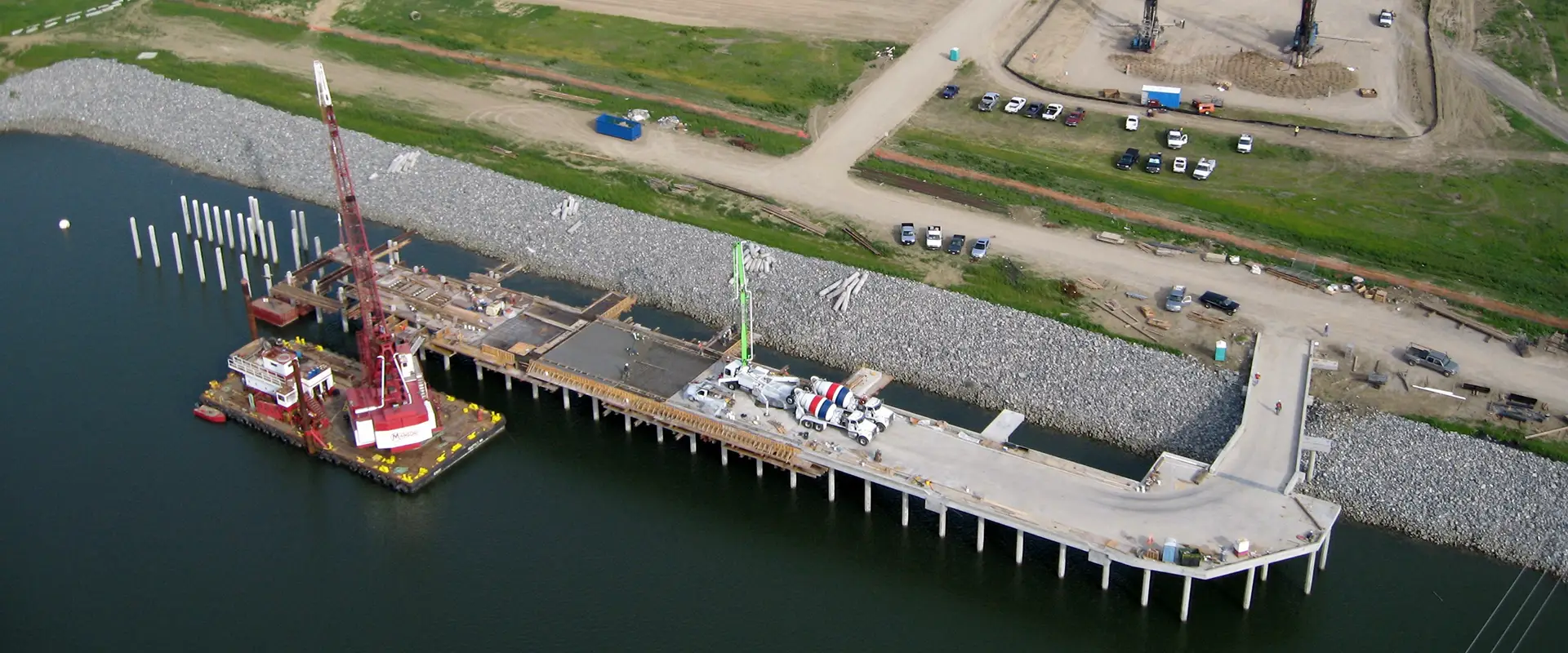
Cemex West Sacramento Cement Import Terminal

Liftech Consultants Inc.
1901 Harrison Street, Suite 1200
Oakland, CA 94612-3574
