A Legacy of Firsts

For more than six decades, Liftech has pioneered many of the structural, mechanical, and seismic innovations that define modern container crane and wharf engineering.
2021

In Situ Boom Extension Process

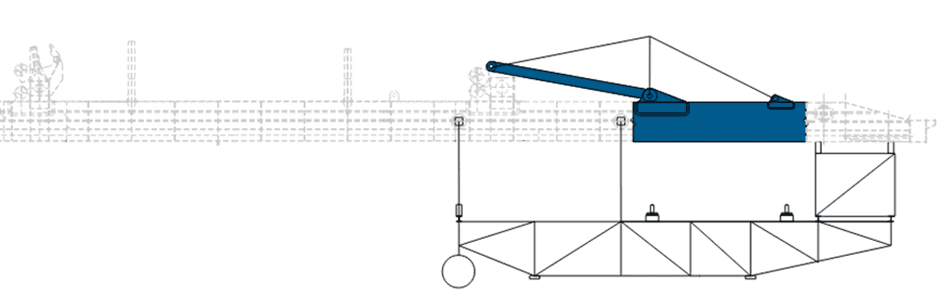
Liftech developed a concept rig and procedure to extend a container crane boom up to approximately 8 meters without needing a land-based or floating crane and without removing the boom. Using the Liftech system, new boom sections are installed waterside of the outer forestays near the boom tip using a containerized rig that is assembled on-site.

Learn more: In Situ Boom Extension Process
2020

Removable Seal Plate

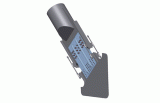
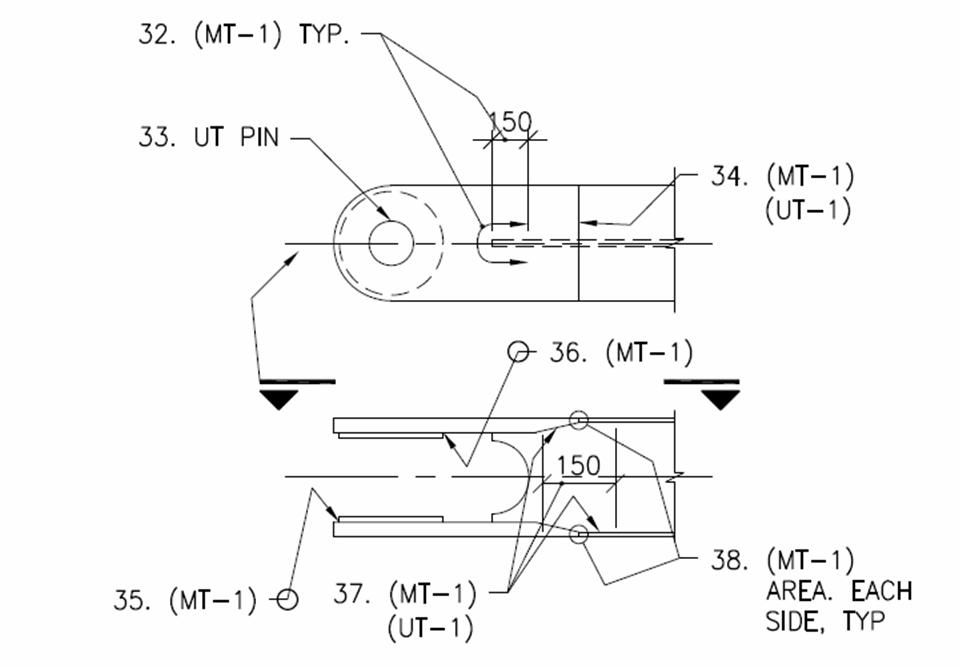
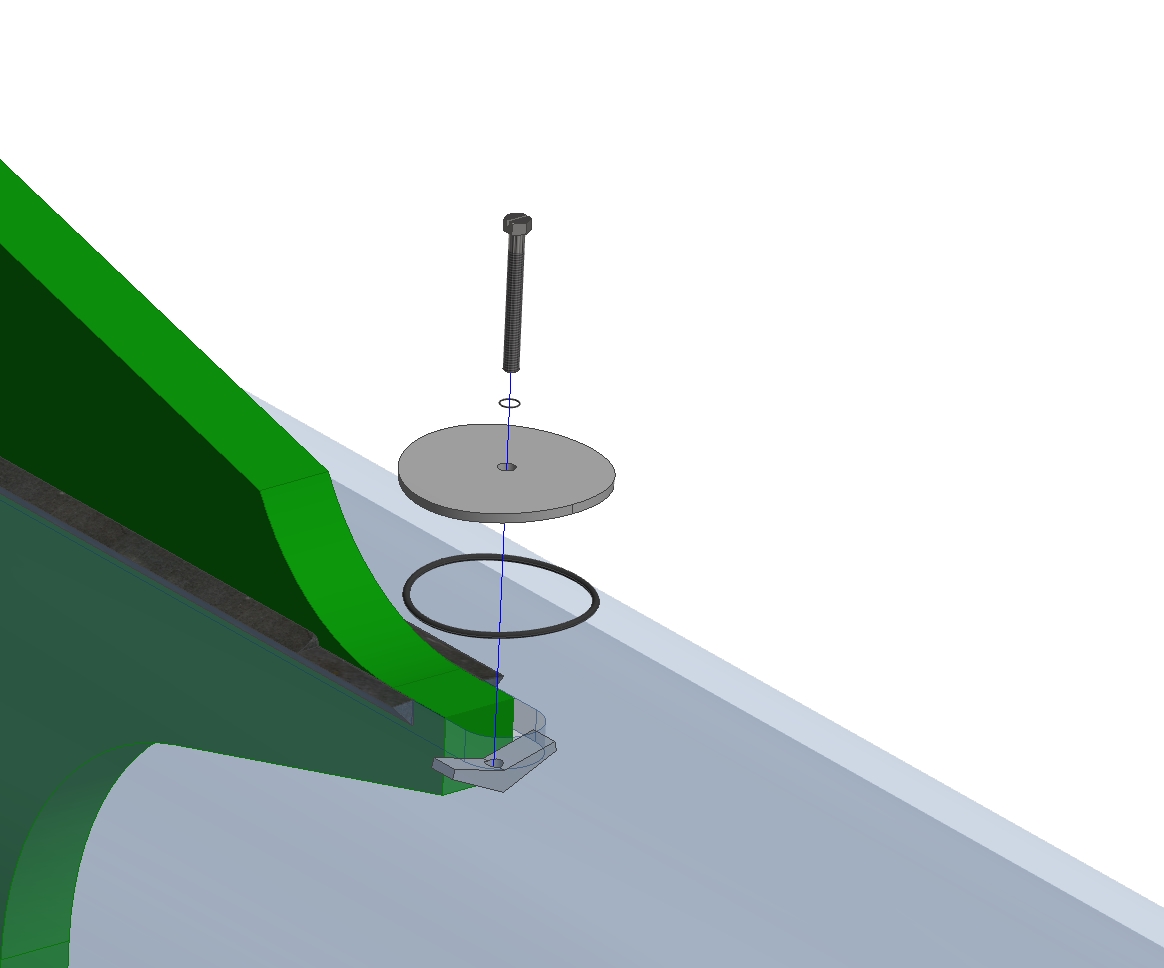
Liftech designed a removable seal plate that is not welded to the structure and can be removed and reinstalled as required. This eliminates the fatigue details of the seal plate and its welding to the crane. The removable seal plate consists of a rubber gasket that is clamped in place on the crane. To ensure the seal plate is watertight, the pipe member is pressure tested after the seal plate is installed.

‍

Learn more: New Approach to the Pipe-to-Gusset Plate Connection

2019

Balance Crane

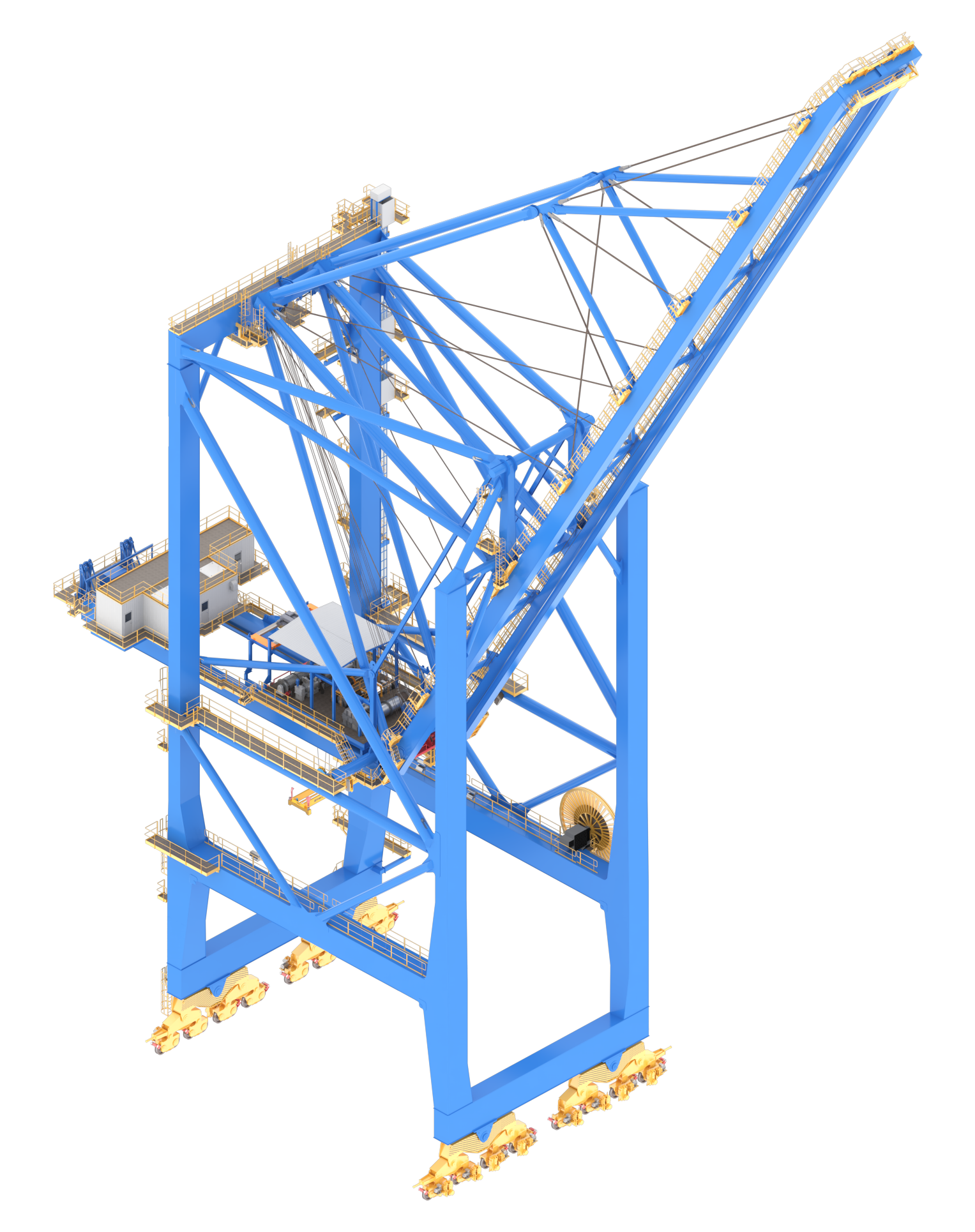
Liftech developed a new crane concept, the Balance Crane, that can reduce the weight and wheel loads of very large STS cranes.

‍

Learn more: Balance Crane - A New type of STS Crane in Development

2005

Seismic Isolator and Damper Design

Liftech has developed multiple seismic isolation and seismic damping designs to control the seismic response of cranes.

‍

Learn more: Liftech Seismic Friction Damper (PDF)

2000s

Ductile Link

Ductile links in tie-downs were created to address the problem of overloading and failure of crane tie-downs during a large wind event. A tie-down secures a crane to the wharf during large storms to prevent the crane from blowing down the wharf and colliding with other cranes and objects. The ductile link is put into the tie-down "chain" to stretch (not break) when it reaches a certain load, thus preventing overload of the rest of the tie-down.

2000

First Indented Berth

Liftech participated in the conceptualization of the indented berth facility allowing cranes to work between the indented berth and a straight berth.

1999

First Ductile Wharf Shear Key Design

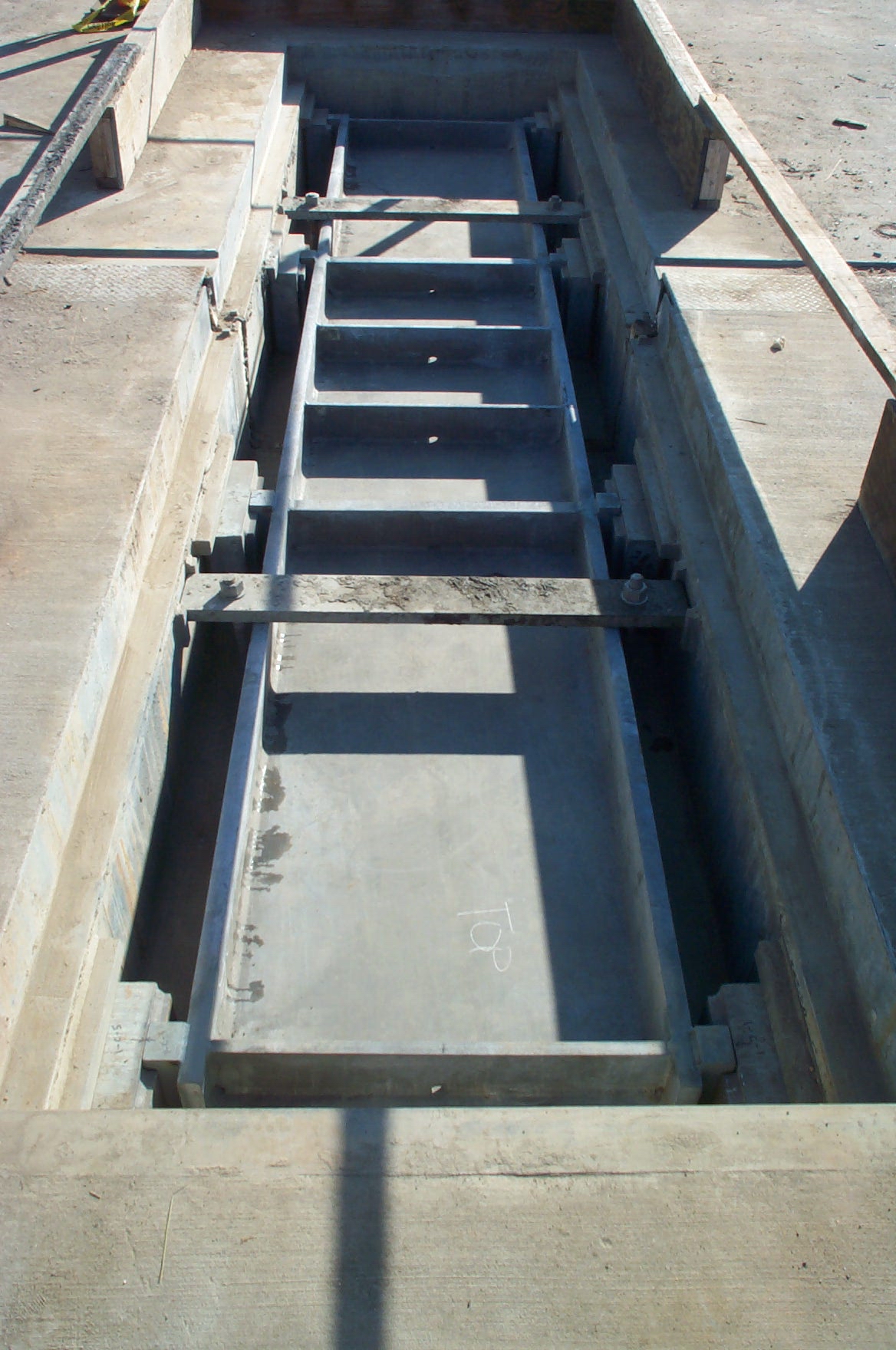
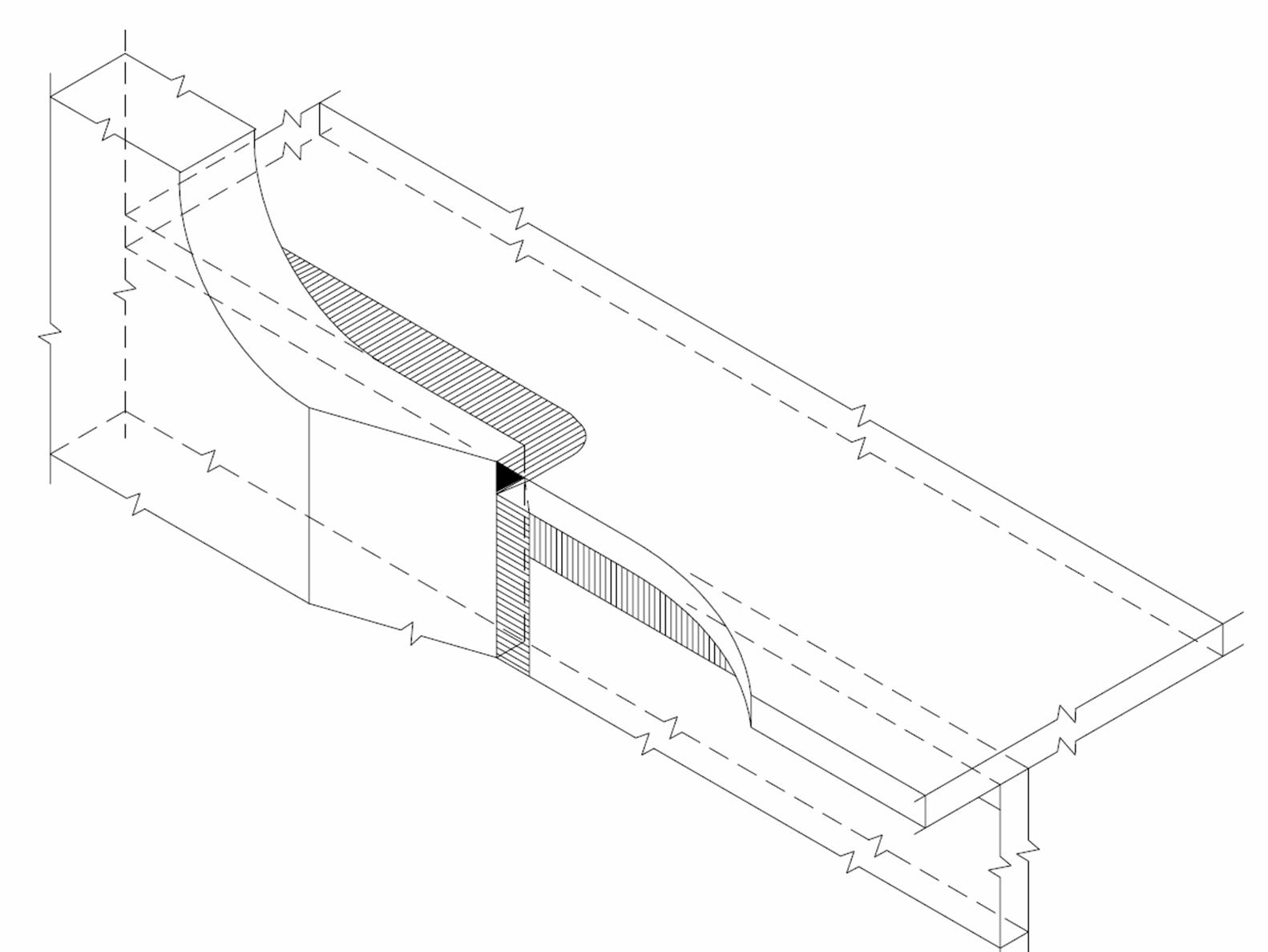
Shear keys connect wharf sections at expansion joints permitting relative longitudinal movement between sections while restraining transverse movement. Shear keys experience large loads during earthquakes and are sometimes damaged. Traditionally, keys have been made of reinforced concrete. The ductile shear key is made of a steel beam. It will yield in a large earthquake and provide significant energy absorption and damping through multiple cycles of deformation. The beam can be easily removed and replaced.

1990s

High Mast Light Pole Damper

Fiber reinforced elastomeric dampers were installed on both sides of the light pole base plates that provided enough stiffness to keep the lights plumb, enough strength to not fail under the combined pole and lighting weight and storm wind moment, and enough damping to solve the problem. This innovative method was practical and low cost to implement on existing and future light poles.

‍

Learn more: High Mast Light Pole Damper – 1990s

1984

Articulated Boom

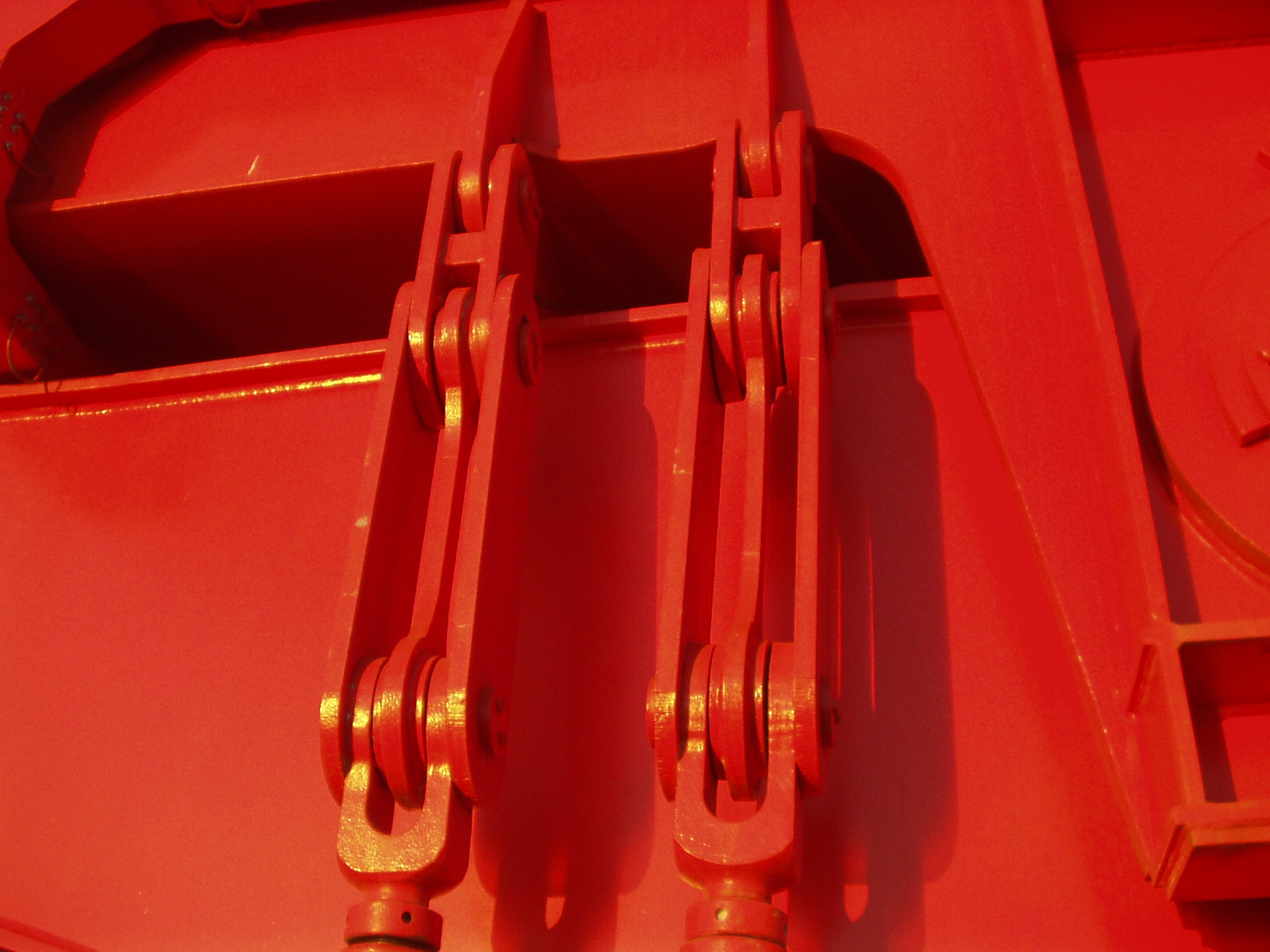
Liftech designed the world’s first articulated boom. Similar to the low profile crane, the articulating boom was designed to provide aircraft clearance. The original design used wire ropes to hold the articulated portions of the boom. Later designs used linkages.

1980s

Crane Analysis Software

Liftech developed a proprietary program for the design and analysis of quay cranes and other container handling equipment. The program is capable of designing or analyzing cranes for the various international standards. We have licensed the software to select crane manufacturers.

1971

First Banded Prestressed Concrete

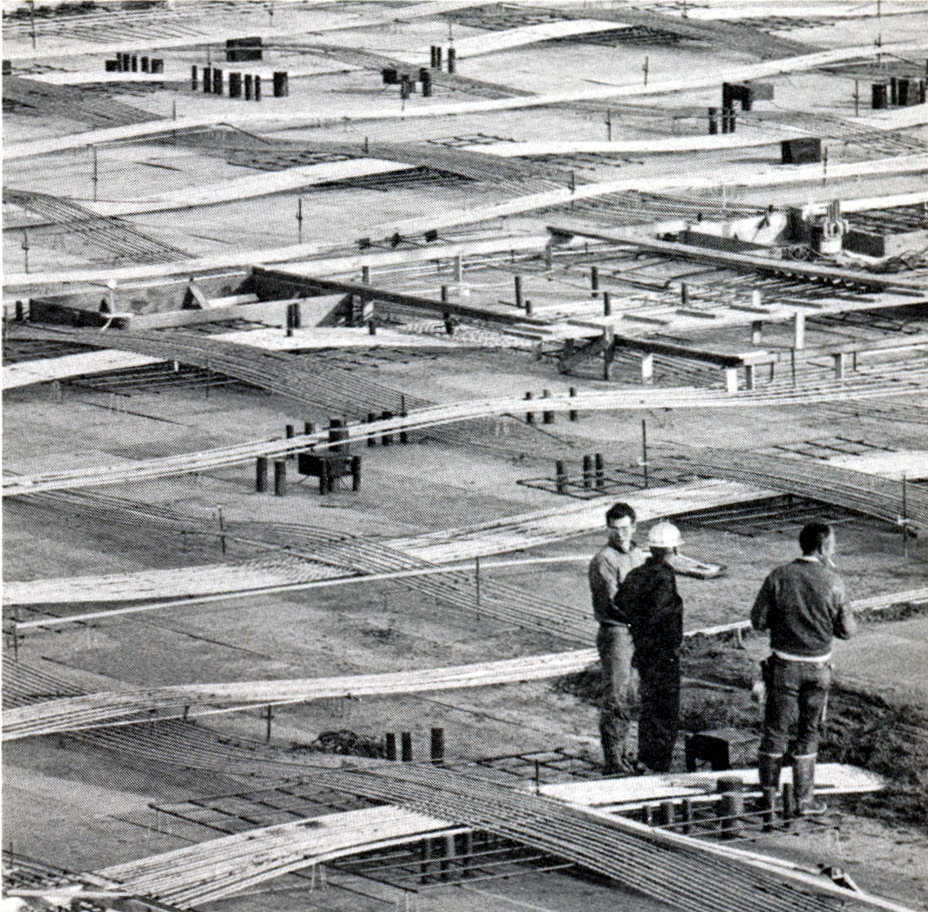
Liftech invented banded prestressed concrete, which simplified what used to be an intricate weaving problem. On January 6, 1972, Engineering News Record recognized banding as a significant advancement and gave the inventors "Men Who Made Marks" awards. Banding is now a standard and is recognized as a prestressing "milestone."

1970s

First Structural Maintenance Program

After several failures, Liftech pioneered the development and implementation of structural maintenance programs that maintain the structural reliability of dynamically loaded structures.

1970s

Fatigue Tolerant Detailing

Liftech was an early pioneer and advocate of fatigue tolerant detailing in the container crane industry, researching details from other industries and developing details suitable for container cranes. Liftech developed and standardized many of the details that are commonly used today.

‍

Learn more: Fatigue Detail Guidelines & Liftech Structural Details

1964

First Low Profile Crane

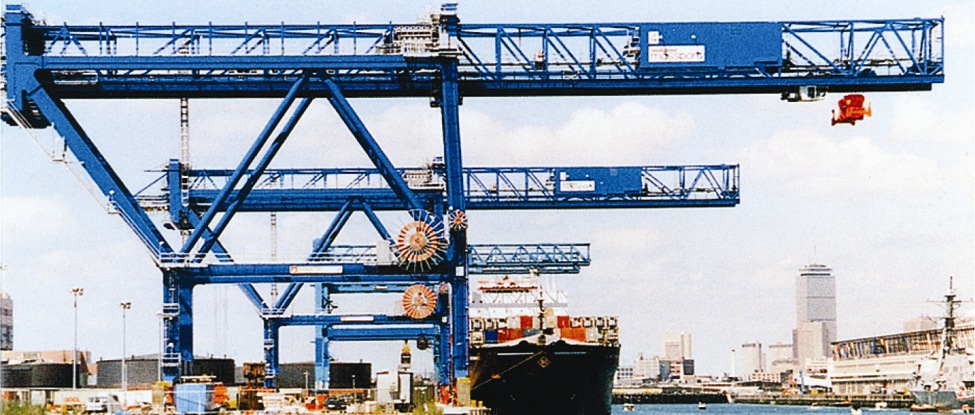
Liftech designed the world’s first low profile container crane structure for Paceco. This crane permitted the servicing of container ships in locations with strict aircraft clearances. The booms of these cranes are not raised to clear a ship, but slide within the crane’s O-frame on roller supports.

1960s

First Trapezoidal Girder

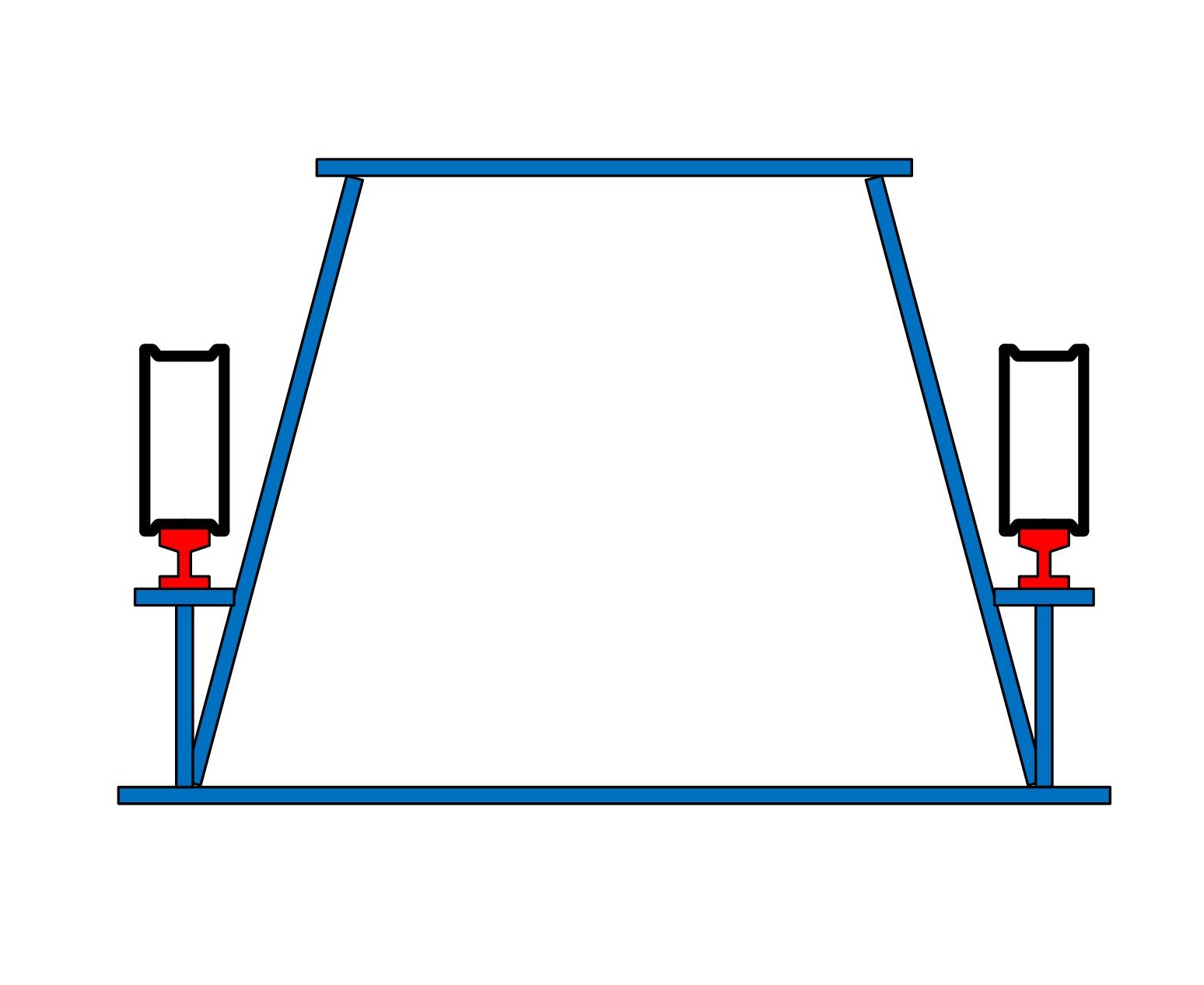
Liftech designed the first trapezoidal box girder that is commonly used to support the trolley on container cranes. The design was developed to reduce the stresses at the less tolerant fatigue details near the trolley rail and was carefully designed for this purpose.

1960s

First RTG Crane

Liftech designed the first rubber tire gantry crane. This crane was designed for the warping caused by the 6 inch height differential between diagonal corners. All modern RTGs have imitated this structural form.

1960s

First Wire Rope Damper

Liftech developed the first wire rope dampers used on container cranes to interrupt excessive wind-induced vibrations of flexible structural pipe members subject to steady winds. This is now an industry standard.

1958

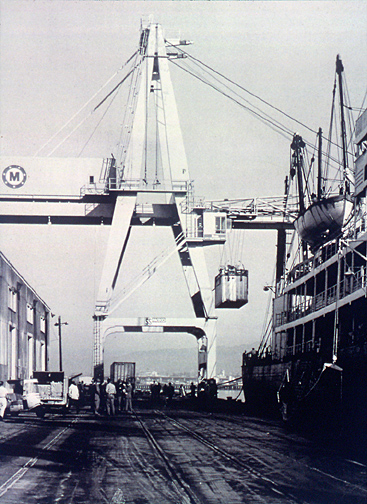
First Modern Container Crane

Mike Jordan of Liftech designed the structure for the world’s first modern container crane that was built by Paceco in Alameda, California. Mike and Liftech have been an integral part of the evolution of container cranes since that time.