Treasure Island Ferry Terminal
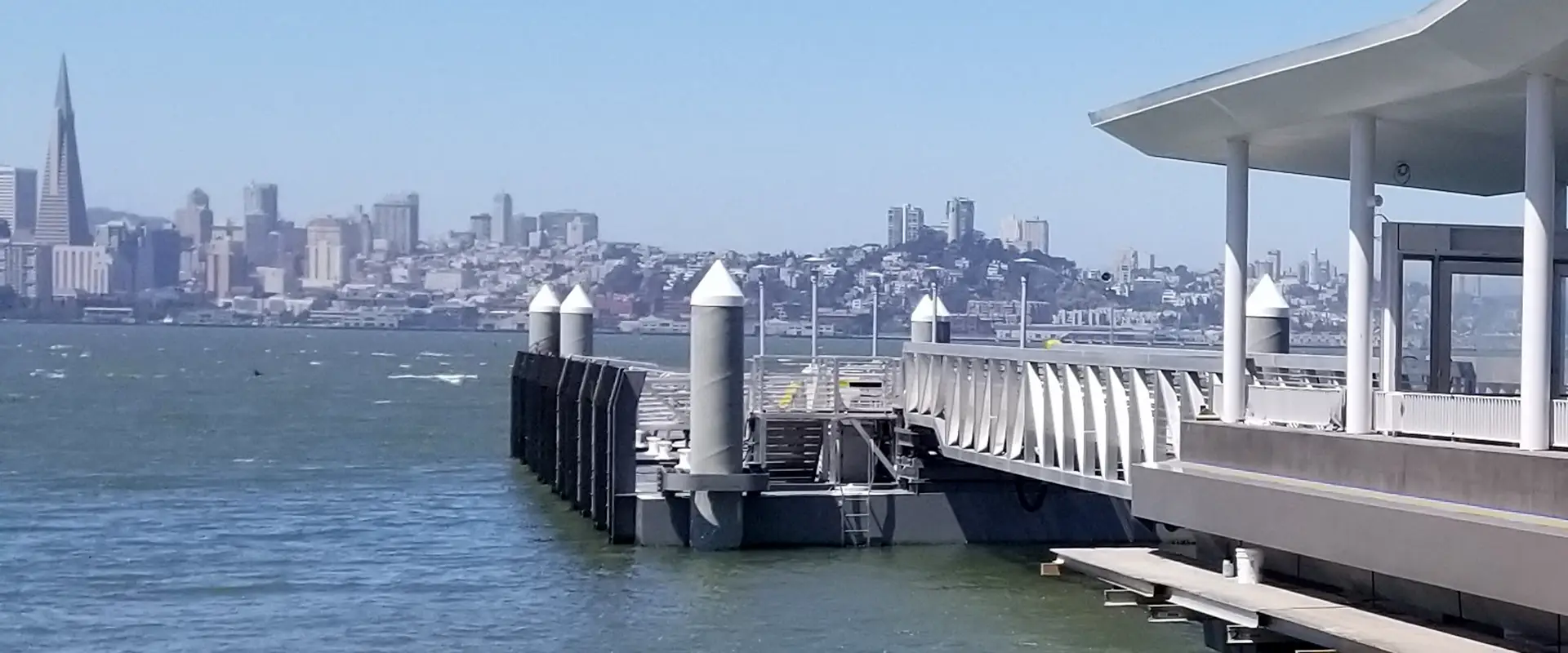
Treasure Island, the former naval station turned emerging neighborhood in the middle of San Francisco Bay, needed a permanent ferry connection to the mainland. Liftech provided the structural design of the steel float at the heart of that connection, delivering a system engineered not just for today’s fleet, but for the electric ferries of the future.
The Challenge
Treasure Island presented a compact, constrained site with tidal variation, ferry vessel compatibility requirements, and a forward-looking mandate: the terminal had to accommodate the battery charging infrastructure needed for electric ferries that WETA and other operators are actively moving toward. At the same time, day-one operations couldn’t be compromised. The structure had to work as built and leave room for the future use of electric ferries.
Our Approach
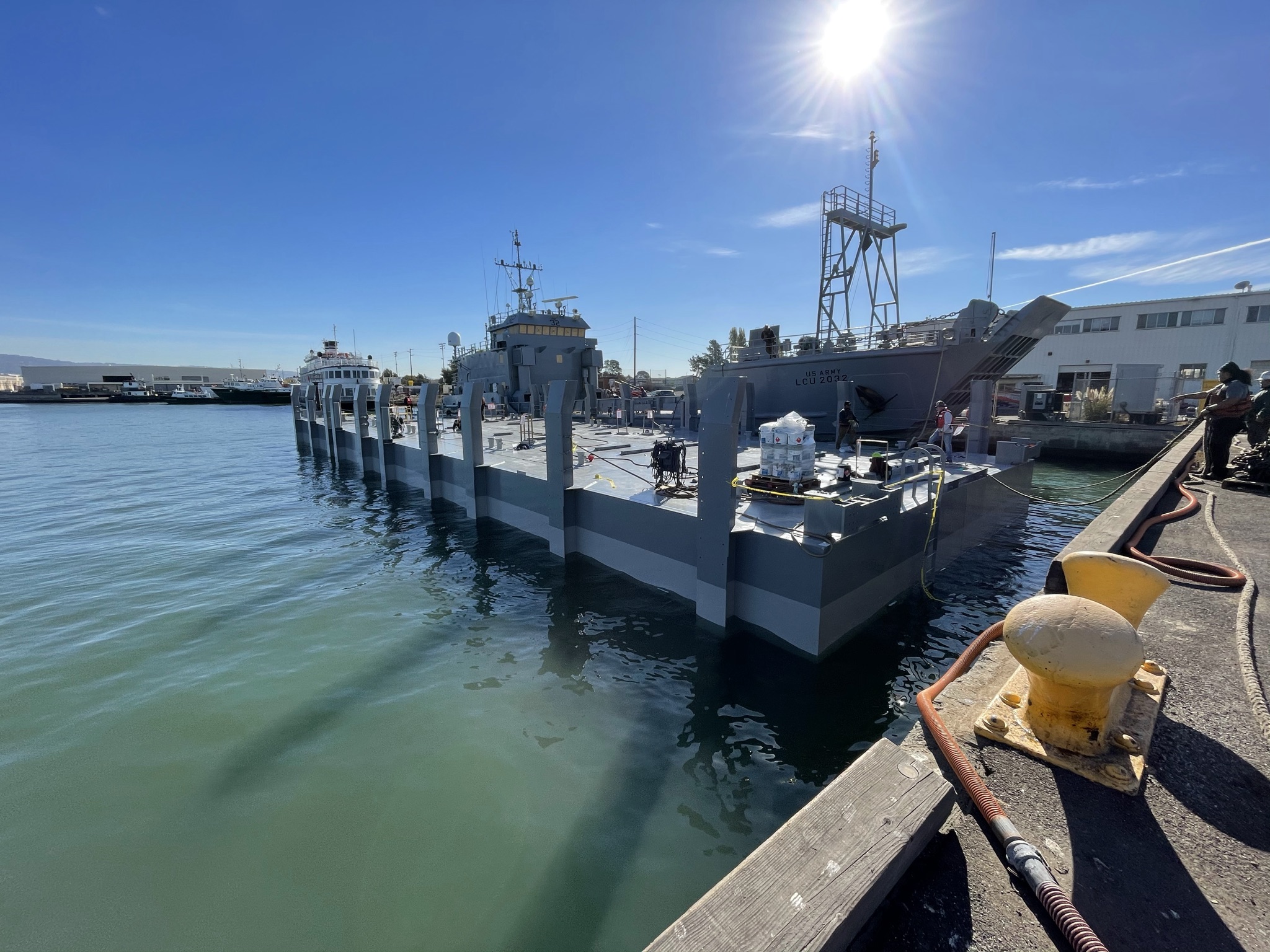
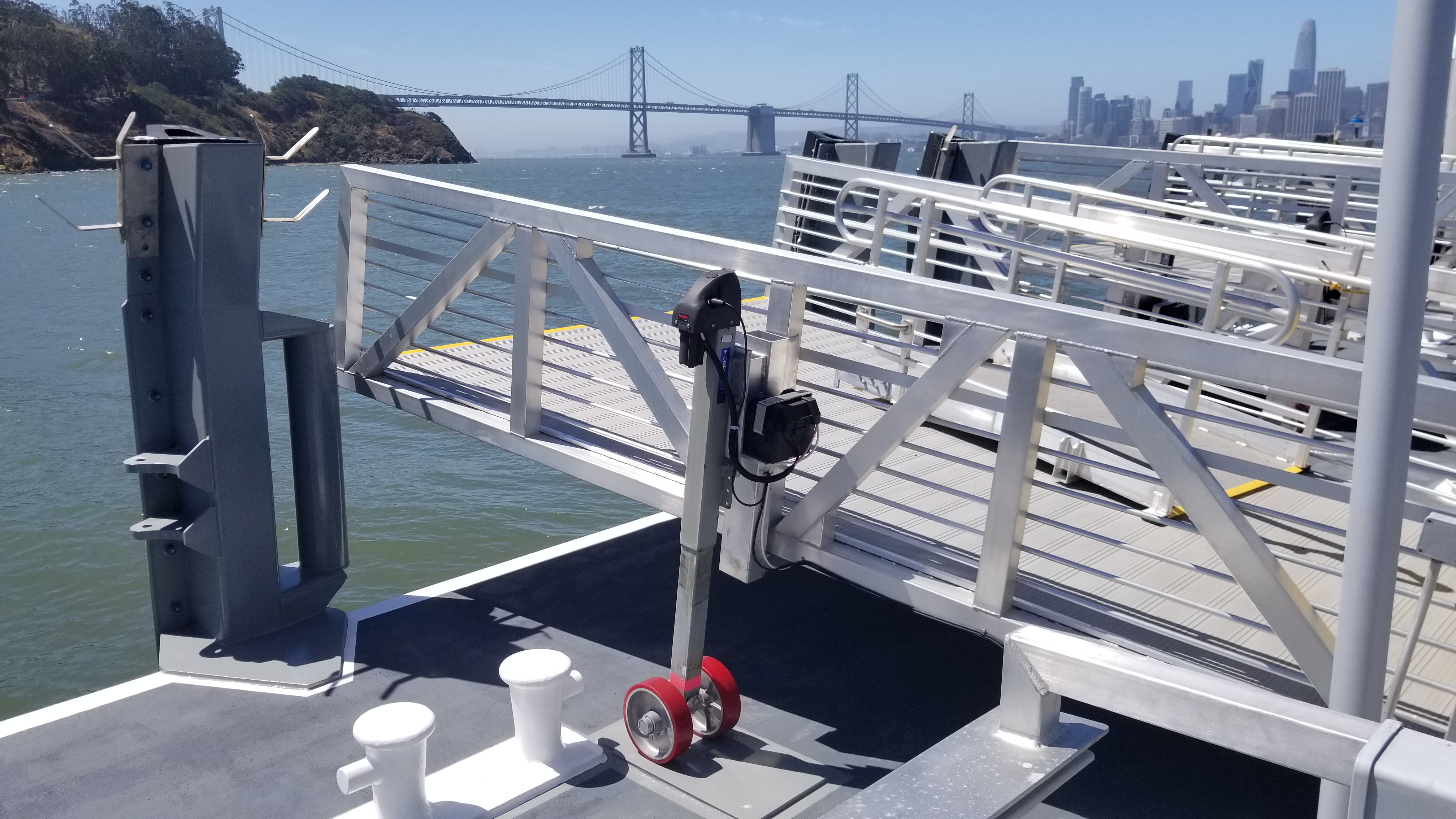
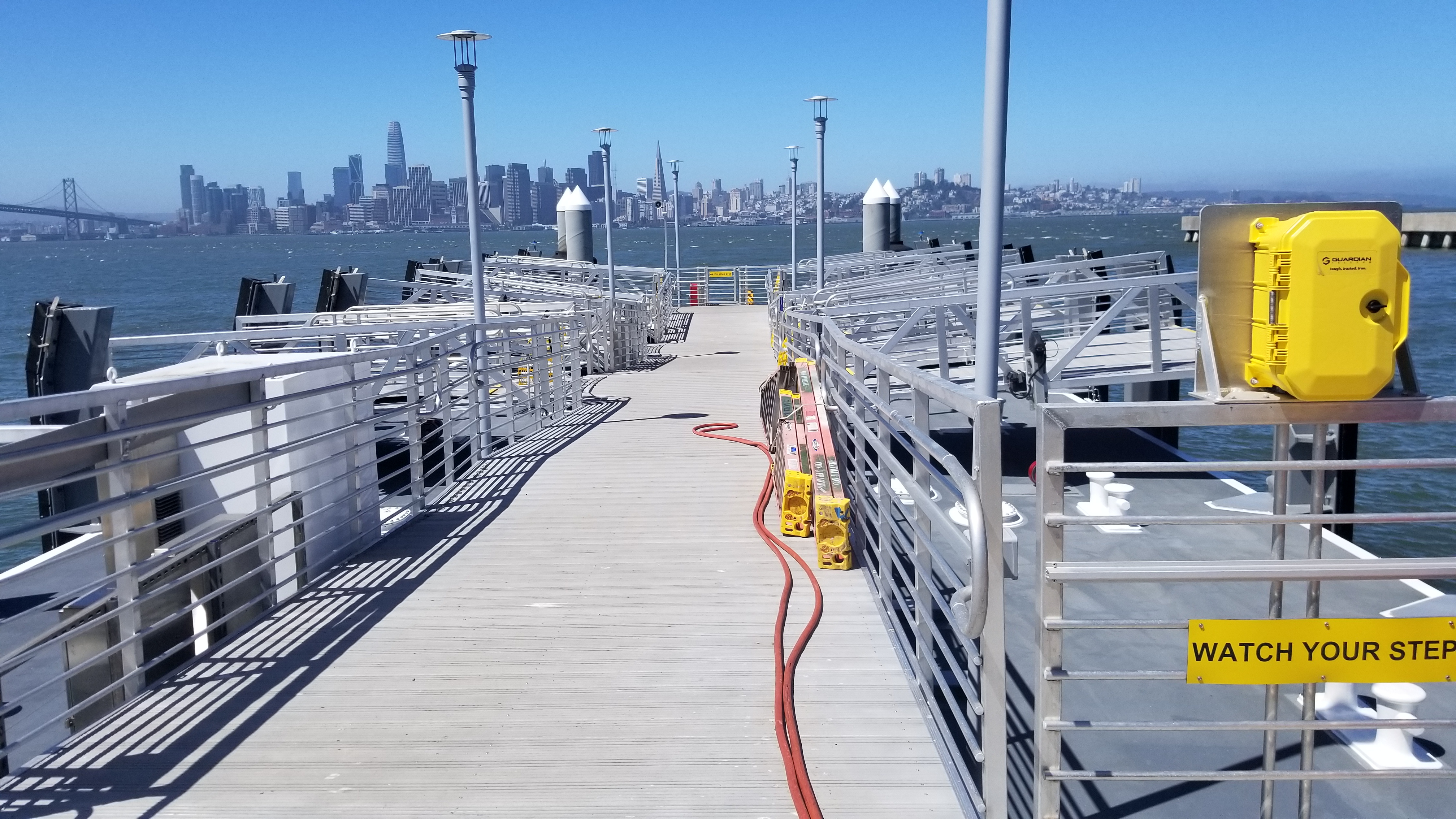
Liftech’s scope covered the full structural design of the steel float, from buoyancy calculations and load cases to connection details built to withstand the long-term demands of San Francisco Bay’s marine environment. Gangway support was designed with guide pile collars that allow the float to rise and fall freely with the tides while remaining laterally stable under vessel loading. Looking ahead, access hatches were integrated directly into the float deck, sized and positioned so that battery systems for electric ferries can be installed in the future without any structural modification.
The Treasure Island ferry terminal gives the growing population access to the water transportation network on San Francisco Bay, further helping to alleviate the region’s traffic congestion.
Project Images


Related Publications
Related Projects
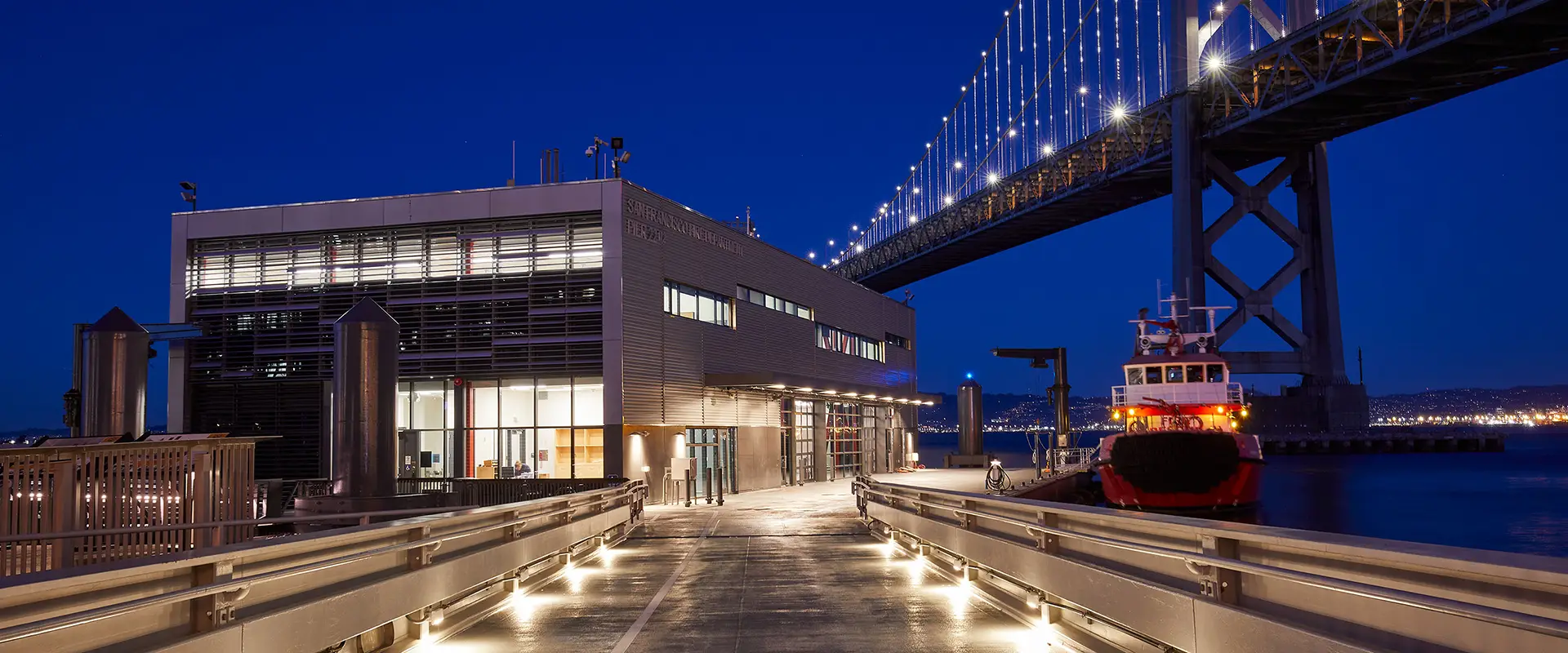
San Francisco Floating Fire Boat Station 35

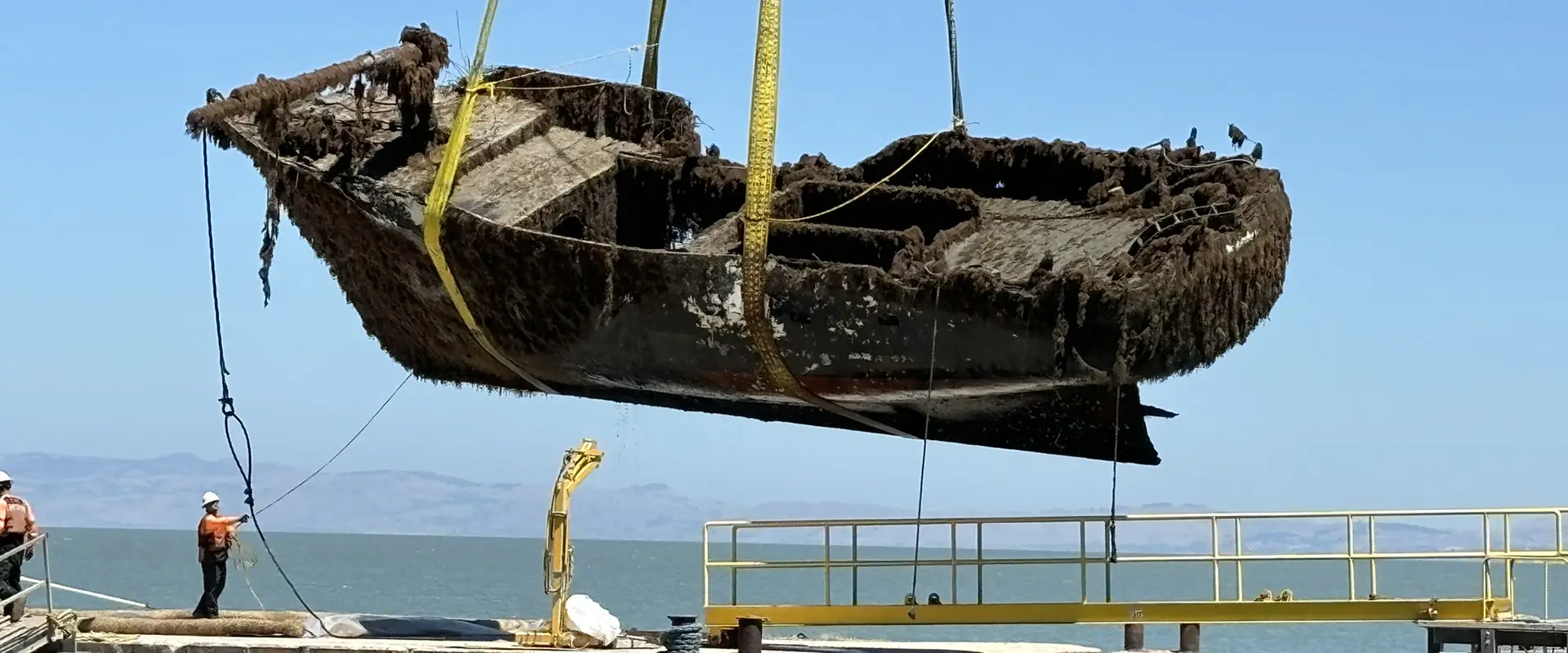
McNears Beach Pier – Vessel Collision Repair
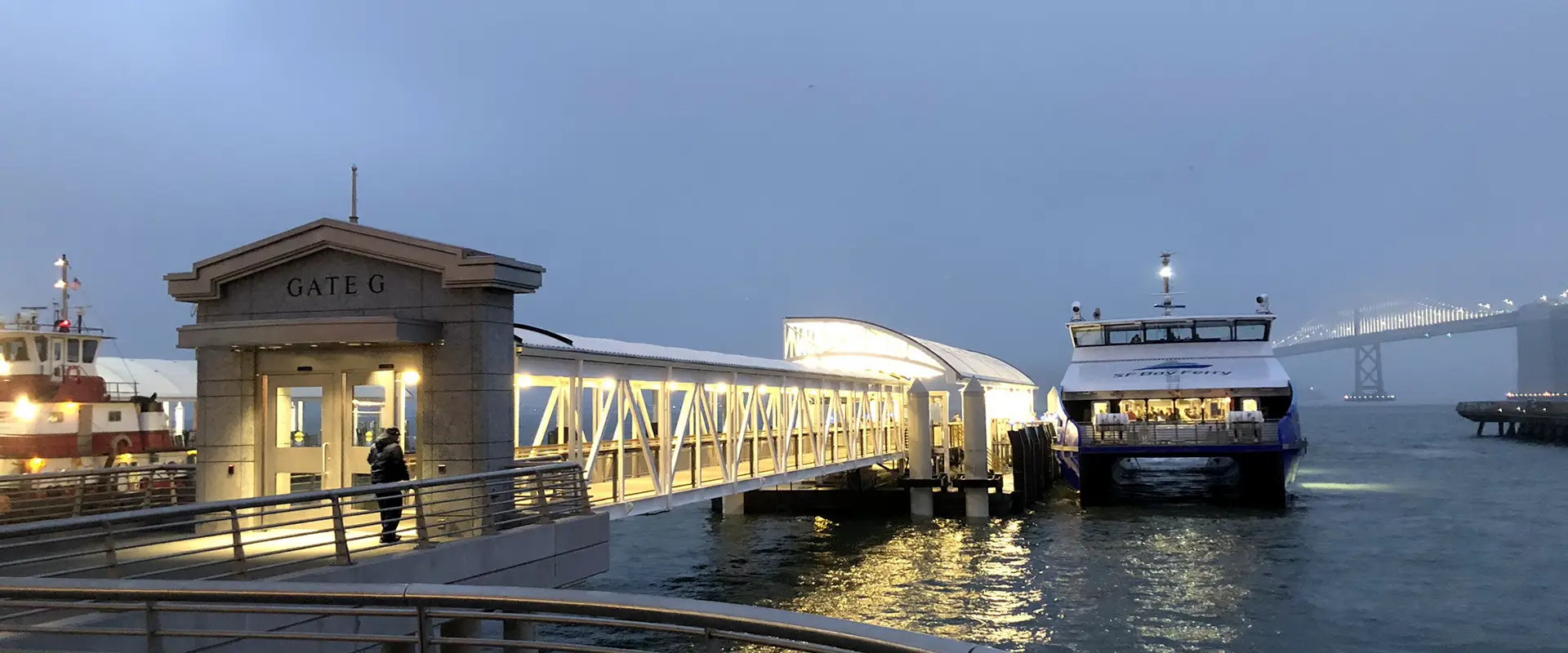
Downtown San Francisco Ferry Terminal Expansion

Liftech Consultants Inc.
1901 Harrison Street, Suite 1200
Oakland, CA 94612-3574
