Design Review of the Pacific Titan, formerly known as the Left Coast Lifter
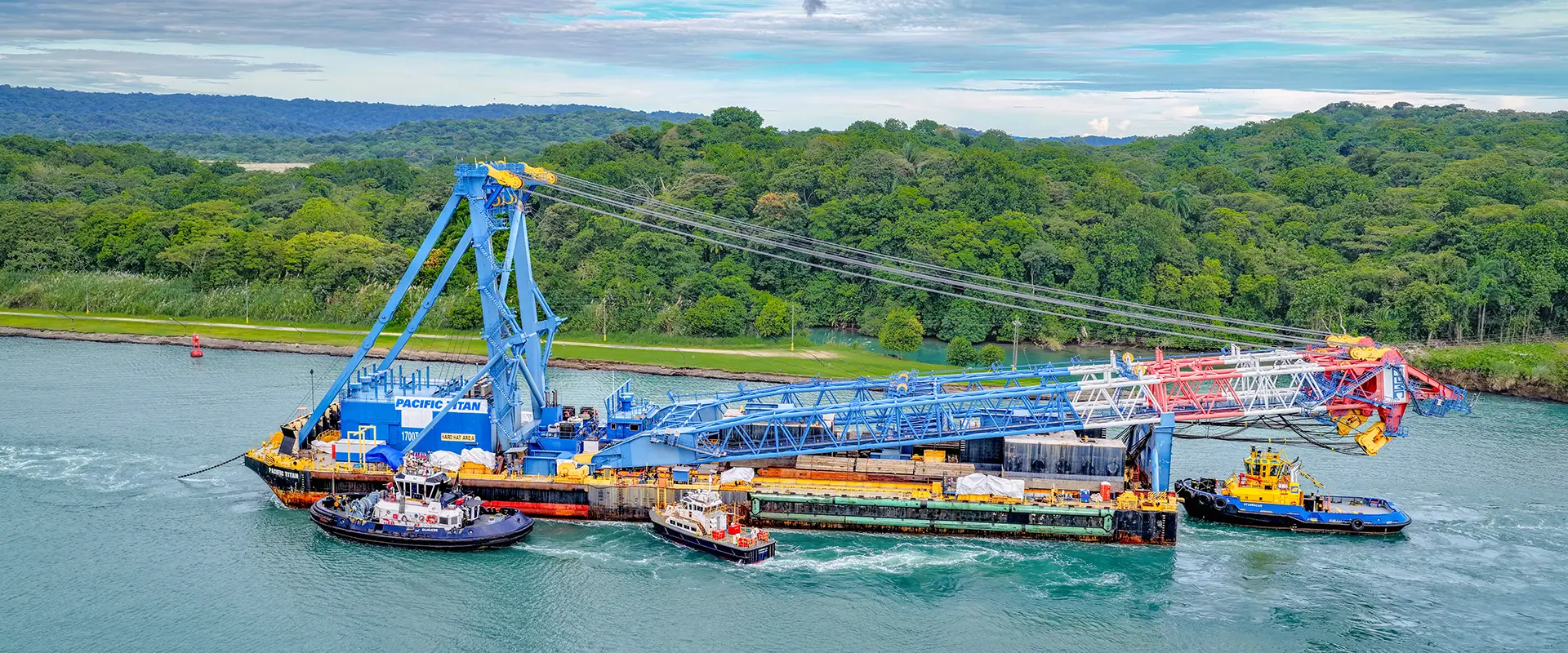
When the 1989 Loma Prieta earthquake exposed the seismic vulnerability of the eastern span of the San Francisco-Oakland Bay Bridge, engineers determined the span would need to be replaced entirely. The new self-anchored suspension design required lifting sections weighing more than 1,700 tons into place — loads no existing floating crane on the Pacific Coast could handle. So, one was built. Liftech provided structural engineering design assistance and review services to American Bridge/Fluor Enterprises to help bring the Left Coast Lifter to life.
The Challenge
Building a floating crane capable of lifting 1,700-ton bridge sections required solving problems that had no existing playbook on the West Coast. The crane had to deliver extraordinary lifting capacity while remaining transportable and designed not just for the job at hand, but for ocean voyages across the Pacific and beyond. Coordinating fabrication across multiple countries added further logistical complexity to an already demanding engineering effort.
Our Approach
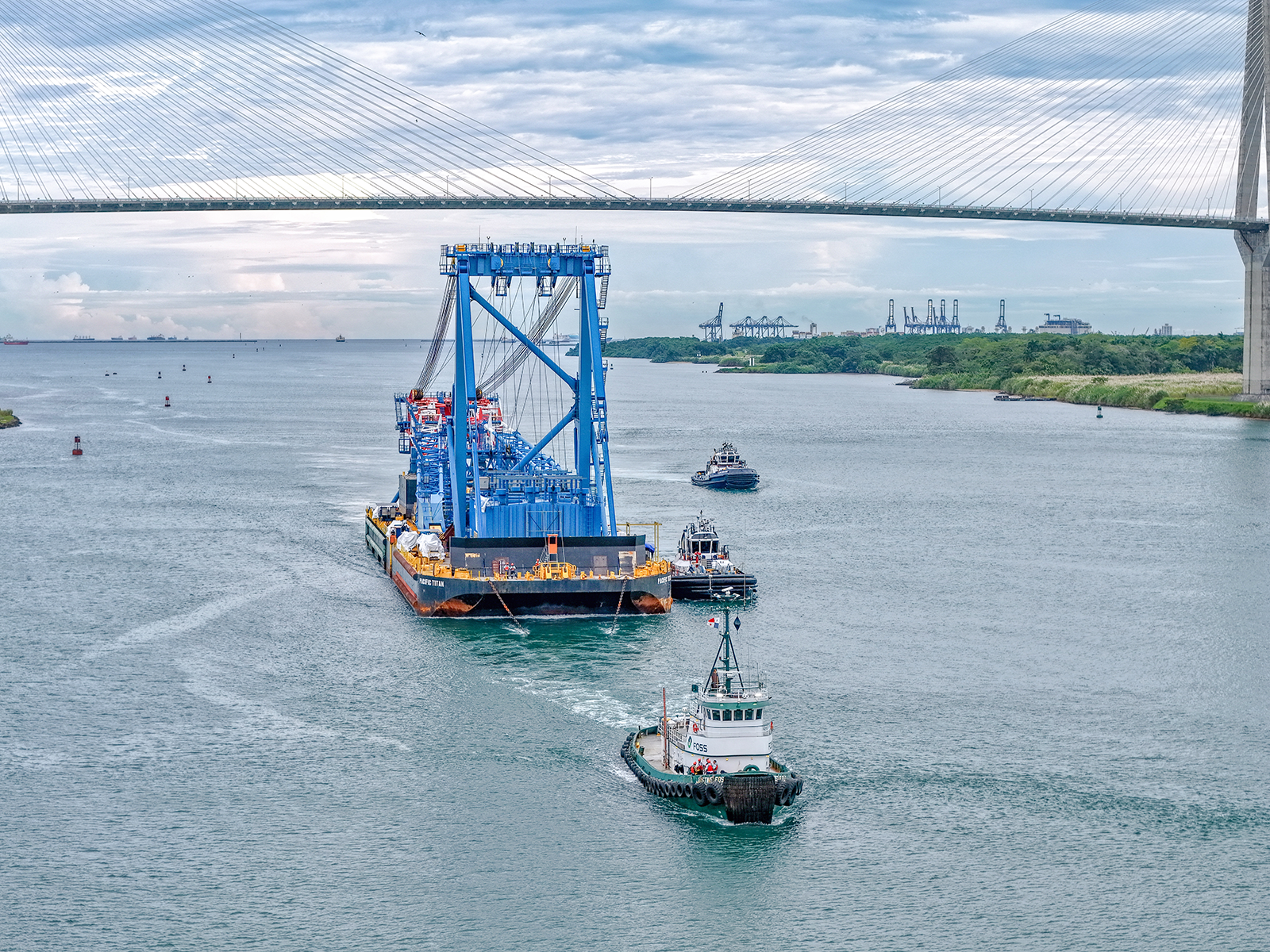
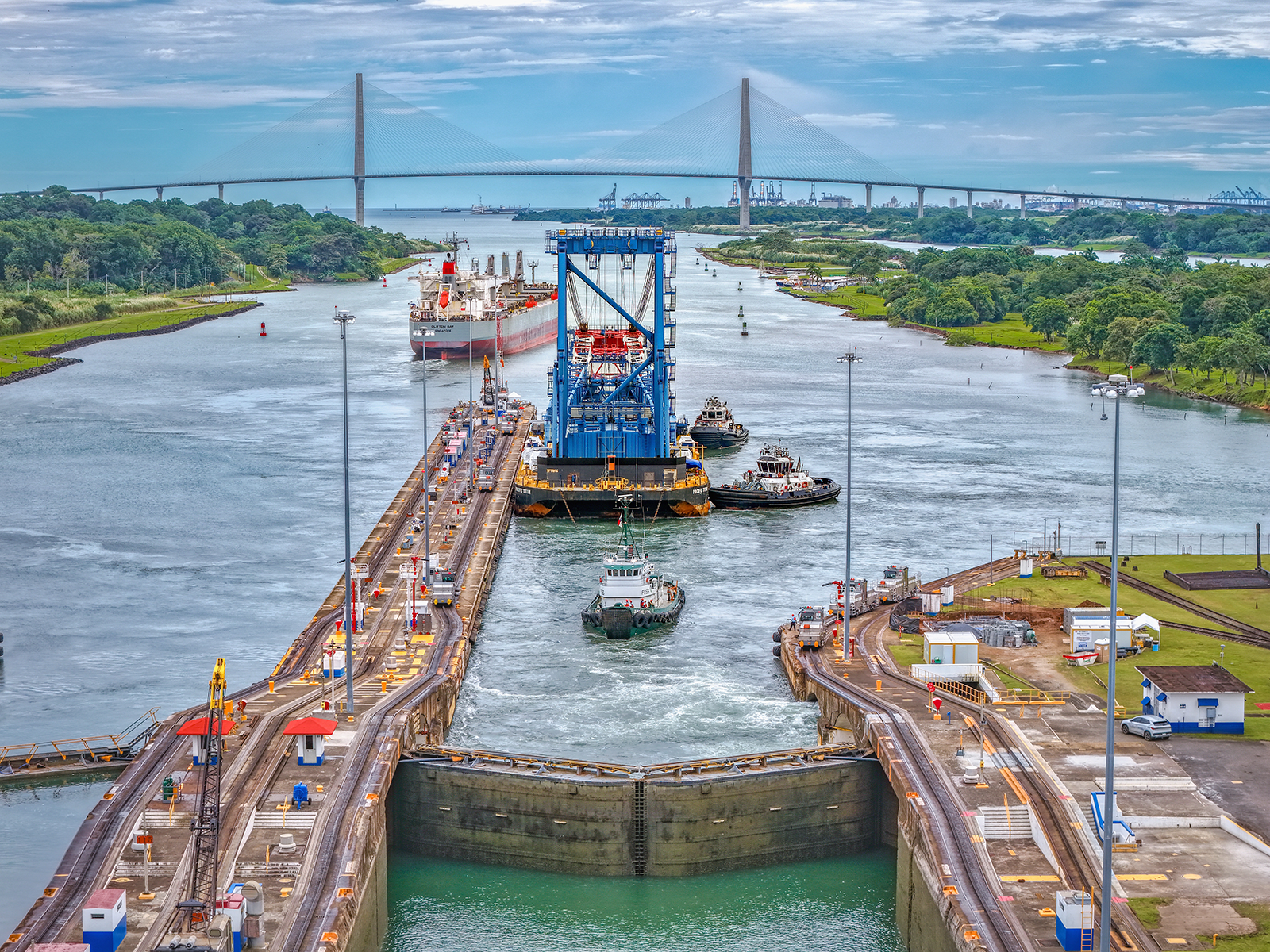
Liftech provided structural engineering consulting services to ABF for the crane structure, including technical specifications, design, and fabrication review. The design was a collaborative effort between ZPMC, Liftech, and ABF, with Liftech's role focused on ensuring the structure could meet its lifting demands while remaining safe and stable for long-distance transport. The crane was fabricated in China, the barge built in Oregon, and the two assembled before making the transoceanic journey to the Bay Area. The Left Coast Lifter went on to assist with bridge work on the Hudson River before being purchased by StorKran and renamed the Pacific Titan. Liftech's relationship with the crane continued, with StorKran engaging Liftech to provide engineering oversight for the Pacific Titan's journey back to the West Coast in 2025, a testament to the depth of expertise Liftech developed on the original project.
Featured Insight
Project Images


Related Publications
Related Projects
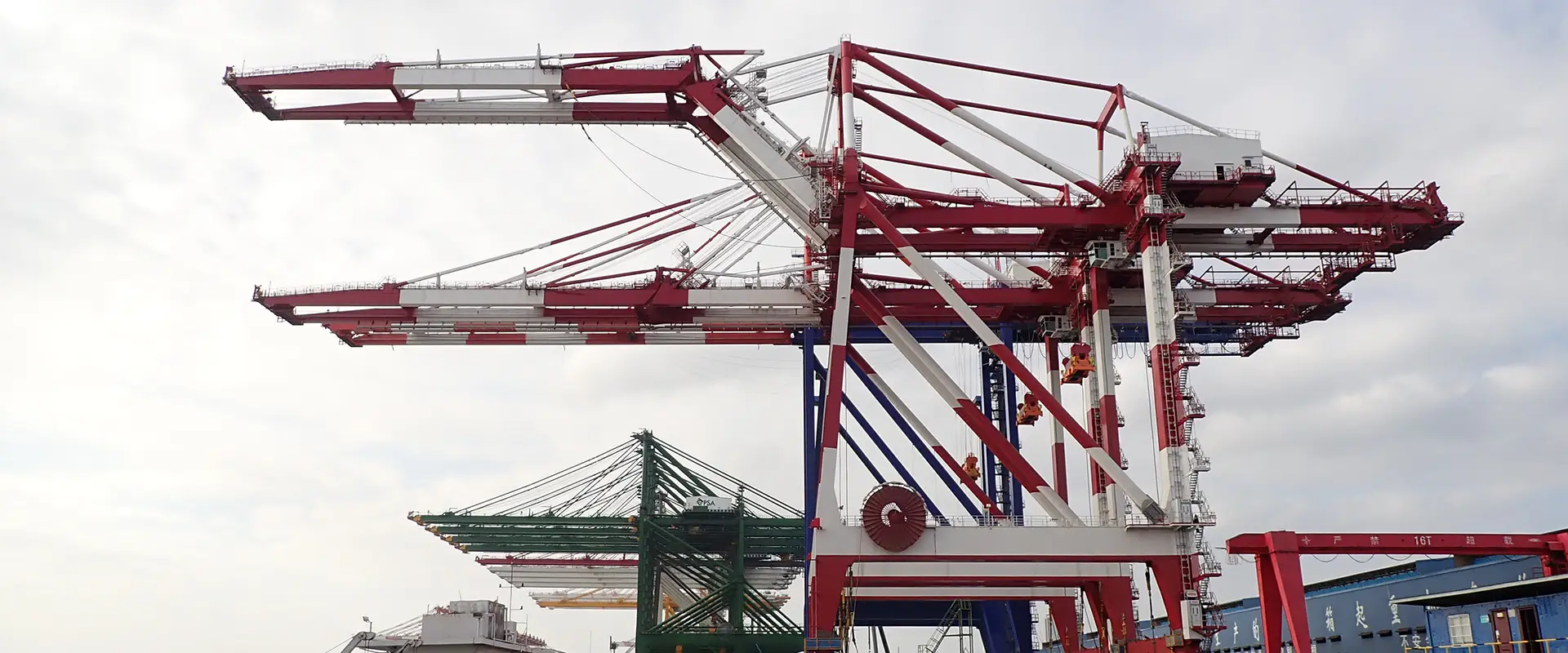
BEST / Hutchison Ports ZPMC Articulated Boom Crane

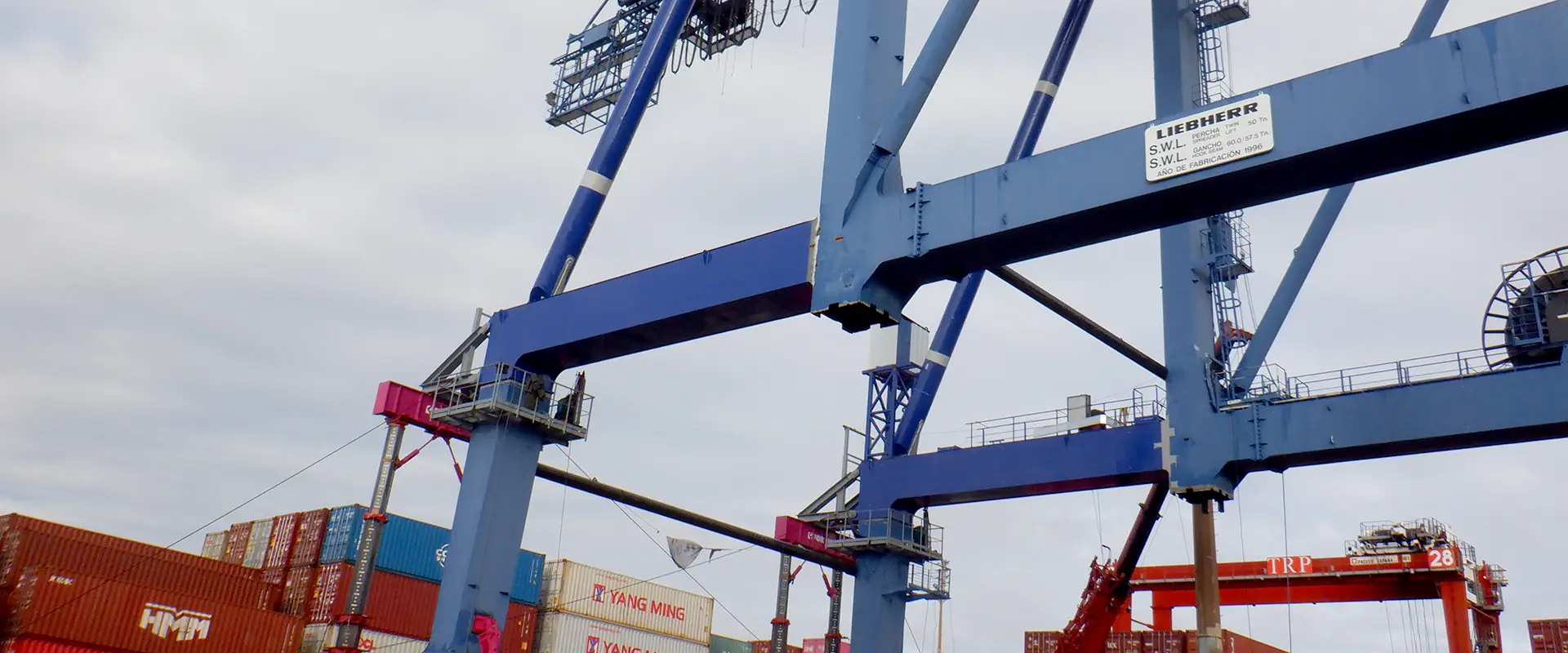
Terminales Rio de la Plata S.A. Liebherr QC 4, Rail Span Increase and Boom Extension
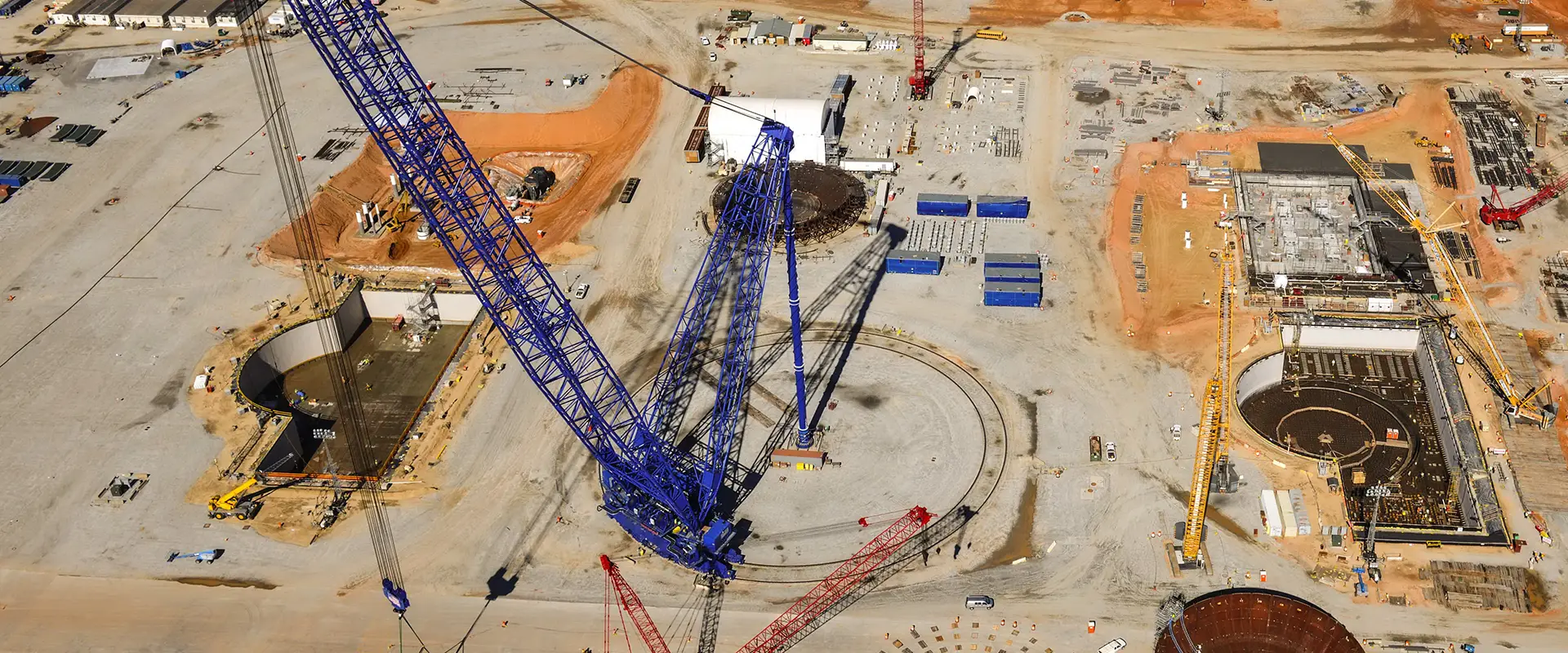
Bigge Heavy Lift Super Cranes

Liftech Consultants Inc.
1901 Harrison Street, Suite 1200
Oakland, CA 94612-3574
